
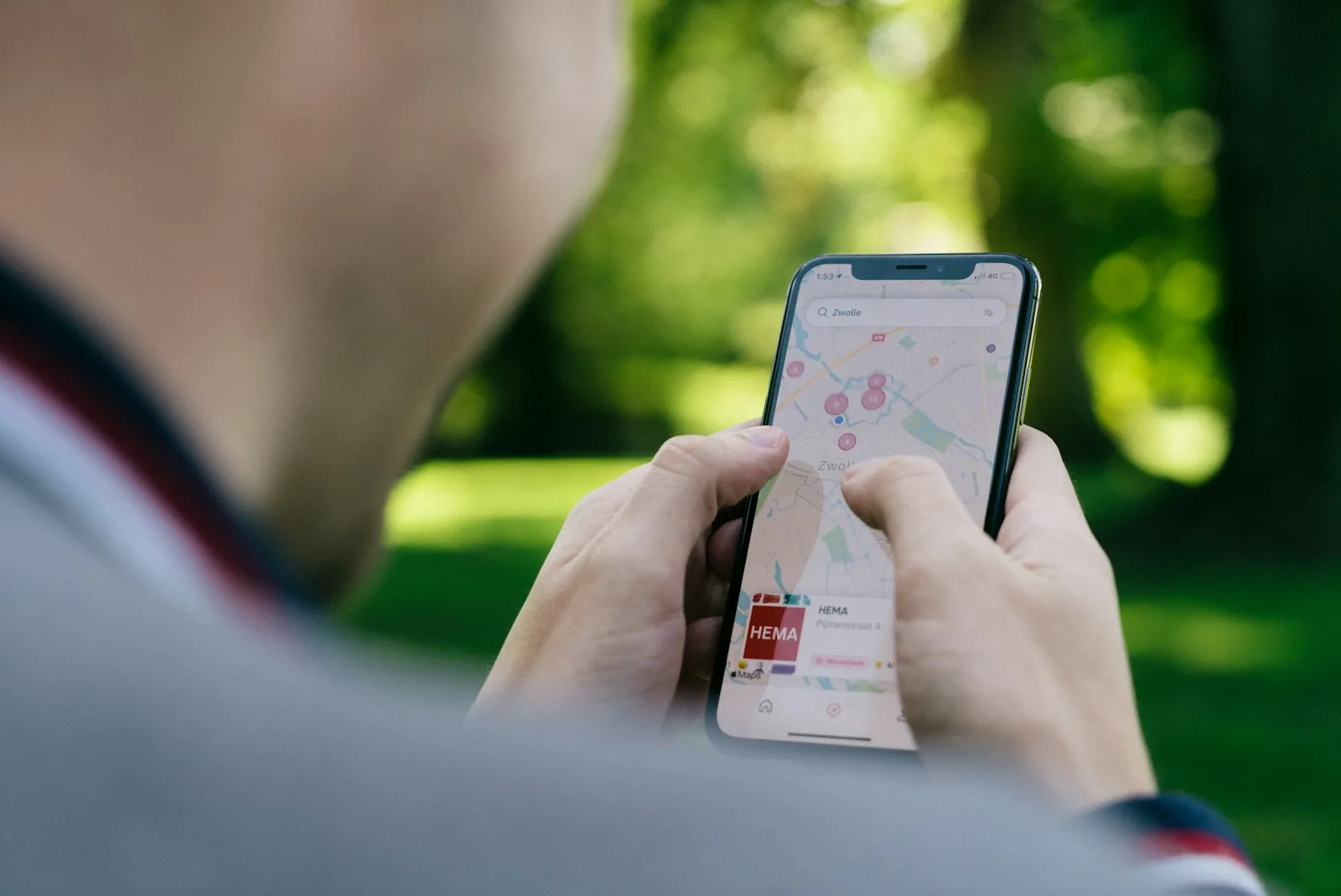
For years, group travel has relied on email chains, printed itineraries, messaging apps, and manual coordination to keep travelers informed before and during a trip. While these methods continue to play an important role, they often create fragmented communication, duplicate effort, and unnecessary stress for both travelers and coordinators.
Today’s travelers expect real-time access to itineraries, travel documents, updates, and support from the convenience of their mobile devices. At the same time, travel organizations must manage increasingly complex itineraries, international logistics, safety requirements, and customer expectations.
A well-designed mobile platform is no longer simply a convenience. It has become an essential component of delivering a modern travel experience.
The Challenge Facing Modern Travel Organizations
Most travel organizations already have the information travelers need:
- Detailed itineraries
- Flight and hotel confirmations
- Ground transportation schedules
- Travel documents
- Local contacts and emergency procedures
- Destination information
The challenge is delivering that information to the right traveler at exactly the right time.
Without a centralized mobile experience, organizations often encounter common operational challenges:
- Last-minute itinerary changes that don’t reach everyone
- Travelers searching through emails for important documents
- Coordinators repeatedly answering routine questions
- Multiple communication channels creating inconsistent information
- Limited visibility into traveler engagement and readiness
- Difficulty keeping travelers informed across multiple destinations and time zones
As travel operations become more dynamic, organizations need technology that improves communication while simplifying operations.
From Mobile Apps to Connected Travel Experiences
Many organizations initially view a mobile application as another customer-facing tool. In reality, the greatest value comes from creating a connected travel experience that supports both travelers and coordinators throughout the entire journey.
Successful mobile strategies focus on business outcomes such as:
- Improving traveler communication
- Increasing operational efficiency
- Reducing administrative workload
- Enhancing traveler safety
- Simplifying document management
- Strengthening customer engagement before, during, and after travel
Technology should enhance the travel experience, not complicate it.
Essential Capabilities of a Modern Travel Platform
Organizations investing in digital transformation should consider capabilities that extend beyond a traditional itinerary application.
Mobile-First Traveler Experience
Travelers should have secure access to their itineraries, reservations, travel documents, destination information, and important contacts from a single mobile application.
Real-Time Communication
Push notifications and live updates enable organizations to communicate schedule changes, travel alerts, meeting locations, and emergency information immediately to every traveler.
Secure Digital Documents
Mobile access to passports, visas, insurance information, waivers, and travel confirmations reduces reliance on printed documents while improving accessibility.
Coordinator Management Tools
Administrative workspaces allow coordinators to manage travelers, publish updates, organize documents, and monitor trip activities from a centralized platform.
Personalized Travel Information
Providing travelers with individualized itineraries, booking references, reminders, and destination resources creates a more organized and personalized experience.
Security and Information Governance
Travel organizations manage sensitive information, including passport details, emergency contacts, medical information, travel documents, and payment records. As mobile platforms become central to travel operations, protecting that information becomes increasingly important.
Successful organizations adopt security practices that include:
- Secure cloud infrastructure
- Encryption of sensitive information
- Role-based access controls
- Secure API integrations
- Privacy-by-design development practices
- Data retention and governance policies
- Compliance with applicable international privacy regulations
Security should be integrated into the platform from the beginning rather than added as an afterthought.
Mobile Technology Enhances Human Service
One of the greatest misconceptions is that mobile technology replaces travel advisors and coordinators.
In reality, successful organizations use technology to strengthen the human experience.
Mobile platforms reduce repetitive administrative tasks, allowing coordinators to focus on what matters most:
- Building relationships with travelers
- Solving problems quickly
- Providing destination expertise
- Delivering personalized service
- Creating memorable travel experiences
Technology supports the journey, but people continue to define it.
Looking Ahead
Mobile technology is reshaping how travel organizations engage travelers, manage operations, and build lasting customer relationships.
Organizations that invest in integrated mobile experiences are better positioned to:
- Improve traveler satisfaction
- Streamline operations
- Enhance communication
- Increase traveler safety
- Differentiate their services in a competitive market
- Build stronger long-term customer loyalty
Success depends on more than deploying another application. It requires aligning technology with operational processes, information governance, and the expectations of today’s connected travelers.
How LABUSA Helps
LABUSA partners with travel organizations to design, develop, and support secure digital platforms that improve traveler engagement and operational efficiency.
Our travel technology solutions include:
- Mobile application development for iOS and Android
- Digital experience platform development
- Drupal-based content management solutions
- Secure cloud hosting and managed services
- API integration with booking and business systems
- Custom software development
- Enterprise architecture and digital transformation consulting
- Ongoing application support and maintenance
Whether you’re modernizing traveler communications, improving operational workflows, or building a next-generation digital travel experience, LABUSA delivers secure, scalable solutions designed around your organization’s goals.
Work with LABUSA
Modern travel experiences require more than great destinations. They require technology that keeps travelers informed, connected, and engaged.
Contact LABUSA to learn how our mobile application development, cloud services, and digital transformation expertise can help modernize your travel operations.