
Resources

An AI gateway centralizes access to models: authentication, routing, rate limiting, logging and cost attribution. What it does, how it differs from an API gateway, and when it earns its place.
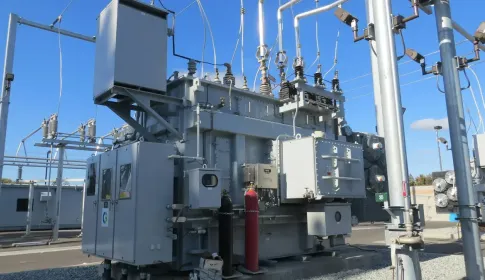
Redundant model endpoints, health checking, graceful degradation, fallback models and multi zone design, and why availability targets for AI have to be set against a workload that recovers slowly.

Not every part of an AI environment is backed up the same way. What is restored, what is rebuilt, what is regenerated, and how RTO and RPO apply to a system with a large derived data set.
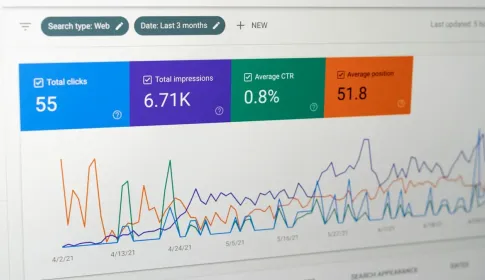
How to size an AI environment from measured demand: the right unit of capacity, why request counts mislead, the inputs that matter, and why a formula alone will not produce a defensible number.
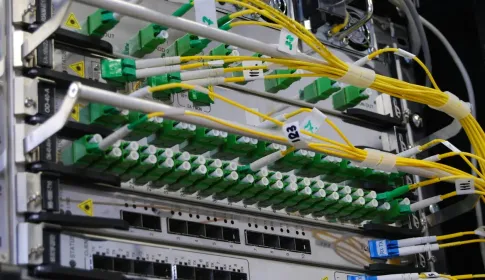
Segmenting an AI environment: what should reach what, ingress and egress control, private endpoints, administrative interfaces, and why location based trust is the wrong model.

API keys, model credentials, database passwords and service identities in an AI environment: where they accumulate, why rotation is hard, workload identity, and keeping them out of logs.

Private enterprise AI means keeping control of the data, identities, connected systems and audit record around an AI environment. It is a description of control, not a product or a place.

Public and private AI are not a straight choice between convenience and safety. The decision is about which risks you would rather carry, and it differs by the kind of material involved.

Where an AI environment runs is not a choice between two options but six, and the axis that decides most cases is operational responsibility rather than data control.

Most private AI projects begin with a model and reach the questions about data and identity late, when the answers are expensive. This is the order that avoids that.