
Resources

Migrating forty sites as forty projects costs forty times as much and teaches nothing. A factory builds the repeatable path first, so the second site is cheaper than the first.

Layer by layer, in the order a request travels: edge, load balancing, runtime, environments, data services, security, observability, recovery and automation. What each decides.

A cutover is a sequence, not an event. The steps in order, why rollback in Drupal is harder than redeploying, and how to keep going back available until acceptance.
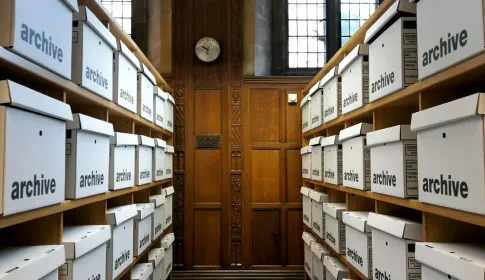
What has to be protected beyond the database, how to set recovery objectives using the NIST definitions, and why a backup that has never been restored is a hypothesis.

What running an enterprise Drupal platform actually involves after go live: patching, monitoring, incident response, capacity, backup rehearsal, release support and reporting.

A proprietary platform is a bundle of operational capabilities, not a hosting product. The ten rows that need a named replacement before the first production site moves.
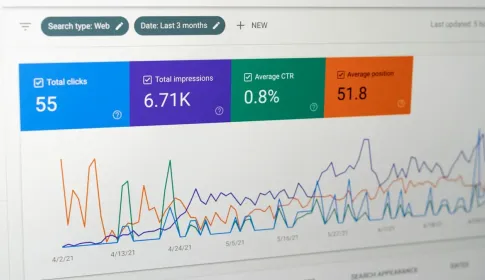
Healthy servers and an unusable site is an ordinary combination. What to measure at the Drupal layer, how the signals fit together, and how to alert without training people to ignore it.

A managed platform let developers act without asking. Replacing that with a ticket queue makes the new platform feel slower than the old one. How to expose approved automation safely.

The controls a Drupal platform needs once the managed platform is no longer supplying them: edge, identity, secrets, segmentation, hardening, logging and supply chain.
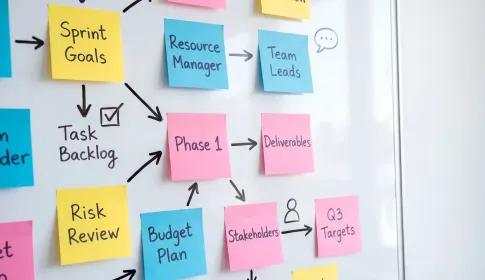
A wave model is a shape, not a schedule. How to group sites so each wave teaches the next, what belongs in wave zero, and the sequencing mistakes that cost the most.