
Resources

Infrastructure is designed once and operated for years. A guide to the eight stages that work actually runs on, and what happens at each when nobody owns it.

Managed cloud is the ongoing operation of an environment, not the act of moving into one. What the service covers, what it does not, and when buying it is the right call.

Assess, discover, architect, plan, migrate, validate, optimize, operate. How a migration is sequenced so that a bad wave is a delay rather than an outage.

Two numbers decide the architecture and most of its cost. What RTO and RPO mean, who owns them, how they map to recovery patterns, and how to test them.

Most organizations run hybrid whether they planned to or not. What makes it an architecture rather than an accident, and what has to be operated as one thing.

Compute, storage, networking and virtualization in a managed private environment. What private cloud actually provides, what it costs, and when it is the right place.

Running an AWS environment properly is a different job from opening an account. Account structure, networking, identity, resilience, cost and the operating rhythm.

Subscriptions, identity, networking, availability zones and cost. What a managed Azure environment involves, and where its shared responsibility line falls.
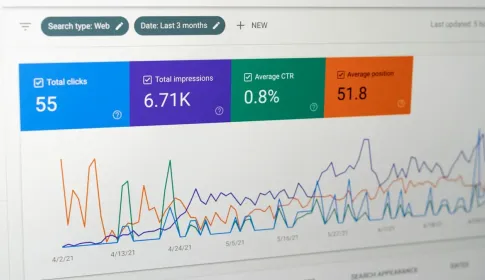
Monitoring earns its cost by shortening the distance between a failure and somebody competent knowing. What to instrument, what to alert on, and what to ignore.

Patching, configuration, hardening and lifecycle across Linux and Windows. The least glamorous infrastructure discipline, and the one that decays first.