
Resources

Routing, switching, segmentation, connectivity, load balancing and DNS. The layer everything else depends on and the one least often documented.

Backup is judged on restores, not on backups. What to protect, how often, where copies live, how long they are kept, and how the restore gets tested.

Technical recovery restores systems. Continuity keeps the organization functioning while that happens. The two are related, frequently confused, and need different plans.

The traffic layer: load balancer types, health checks that mean something, session handling, TLS termination, draining and the failover capacity nobody sizes for.
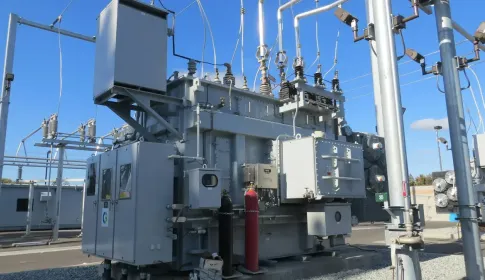
Failure domains, correlated failure, N+1 against 2N, degradation modes and the dependency analysis that decides whether redundancy will actually help.

A comparison that starts from the definitions rather than the marketing: what each model changes about cost, control, elasticity, data location and operational effort.

The architecture of joining two environments: connectivity, identity, data placement, integration patterns and the boundary decisions that determine whether it works.

What a migration strategy document has to contain to be usable: the objective, the principles, the disposition of every system, the sequence, the budget and the governance.

The provider secures the cloud. You secure what you put in it. Where that line falls by service model, and which controls stay yours whatever the console suggests.

Cloud cost is an engineering output, not a procurement input. Visibility, allocation, rightsizing, commitment and the practice that keeps the work from being a one-off.