
Resources

What differs for agencies, districts and public institutions: authorization programs, data location, procurement, records obligations and legacy systems that cannot move.

Security is not a project that finishes. A working guide to the six things a security program has to keep doing, why controls decay between them, and how the cycle is actually run.

Managed cybersecurity is the continuing operation of security controls, not a product you install. What the service covers, what it does not, and when buying one is the right answer.

How a cybersecurity risk assessment is actually conducted: assets, threats, vulnerabilities, existing controls, likelihood and impact, and what has to happen after the report lands.
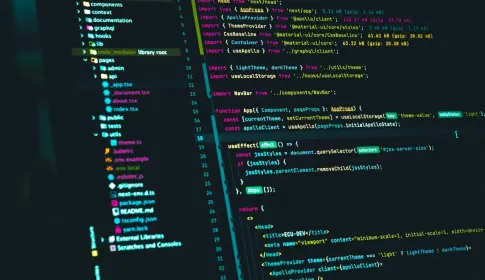
Discover, assess, prioritize, remediate, validate, monitor. How the vulnerability lifecycle is actually run, why backlogs grow, and what separates a scan from a program.
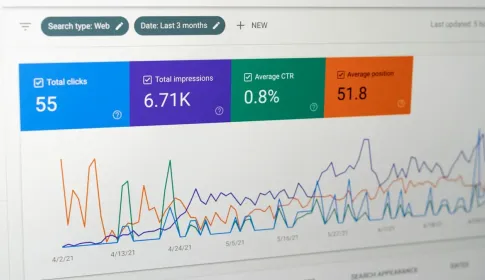
Logging, detection, triage and escalation. What has to be collected, who looks at it, and why most monitoring failures are staffing and process problems rather than tooling gaps.

Prepare, detect, analyze, contain, eradicate, recover, improve. What each stage requires, which decisions must be settled in advance, and why the lessons learned stage is the one that pays.
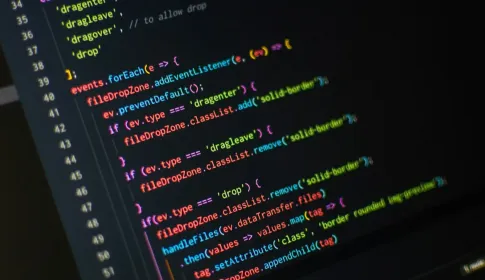
Baselines for operating systems, servers, cloud, network devices, applications and databases. How configuration drift happens, and what it takes to detect and correct it.

Least privilege, multifactor authentication, privileged accounts, joiners and leavers, access reviews and service accounts. Where identity controls decay and what keeps them working.
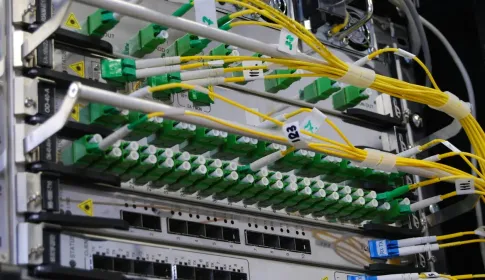
Firewalls, segmentation, secure remote access, intrusion detection and the zero trust concepts that changed what a network boundary is for. What still works and what no longer does.